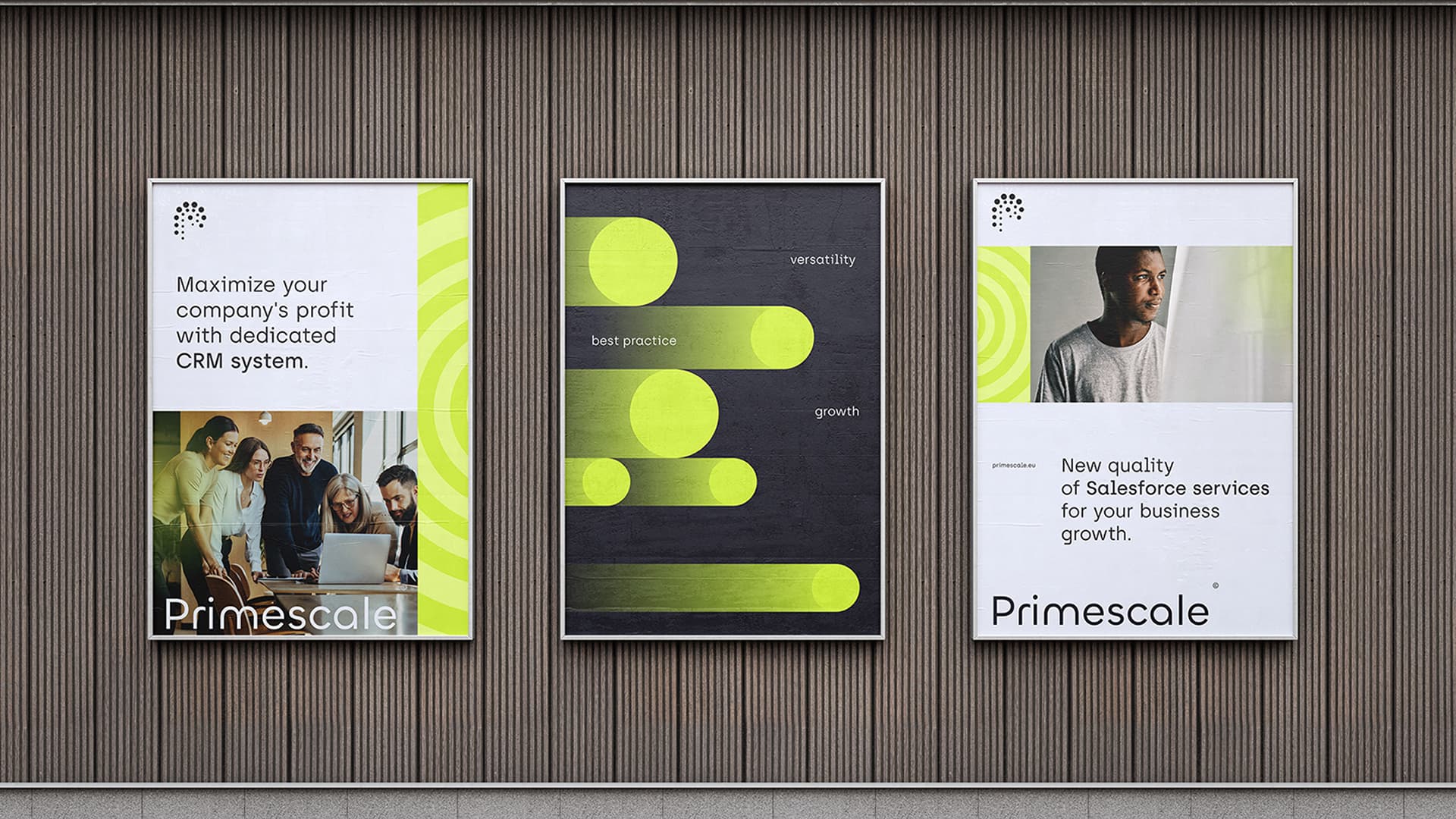
Aerospace marketing is B2B communication in aviation and space that shows a company’s capabilities, certifications and people to buyers, partners and job candidates, even when most of its projects are under NDA. We run it for component suppliers, MRO companies, space companies, UAV manufacturers and engineering design firms: from brand strategy and visual identity, through LinkedIn and a website for international buyers, to trade show campaigns.
In aviation and space, buyers first check whether they can trust you: your certifications, processes and team. We’re a creative agency based in Wrocław and Warsaw. We agree on the NDA and the content approval process with your compliance team before we publish anything.
Skrzydło samolotu nad chmurami
MARKET & CHALLENGES

What you’re up against in aerospace

The Polish market is home to plants run by global aerospace groups, tier 2 and tier 3 suppliers, MRO companies, NewSpace firms and UAV manufacturers, many of them in clusters such as Aviation Valley. Still, you compete with suppliers from all over the world. There are few buyers, and suppliers are chosen by a team: engineers, quality and procurement. Before they invite you to qualify, they check your website, certifications and people on LinkedIn.

In your customer’s shadow

Your parts, repairs or software end up in aircraft and satellites from well-known brands, but only their logos show. New buyers don’t know you.

One customer, one program

When orders depend on a single large manufacturer or program, every cut hits the whole company. You need to find new customers before you need them.

Outdated website

Buyers check your website before they reply to your email. Old photos and no list of capabilities or certifications end the conversation before it starts.

Wasted trade shows

A booth at Farnborough or ILA Berlin takes a big budget, and business cards get lost once you’re back. Without pre-booked meetings and follow-up, all you’re left with is the cost.

Engineers have options

Multinationals, other cluster companies and the IT sector are after design and manufacturing engineers too. The employer students talk about wins.

Suppliers suggested by AI

Some engineers ask ChatGPT or Perplexity to find a supplier for CNC machining or composite repairs. The chatbot will point to companies whose capabilities and certifications are described online.
WHAT’S DIFFERENT

How aerospace marketing differs

Five ways it differs from marketing in other industries:
01
Certifications and approvals.
AS9100, Part 21 and Part 145 approvals or NADCAP decide whether you get on the approved supplier list.
02
Limited disclosure.
NDAs and export controls define what you can show, and everything you publish needs approval.
03
Long sales cycle.
Years can pass between the first conversation and an order. Marketing builds recognition before the RFQ.
04
Specifics, not slogans.
Quality teams read the standards you cite, certification scopes and process descriptions. Vague claims lower your supplier score.
05
Global market.
Buyers are all over Europe and in the US, so your website, materials and LinkedIn have to work in English.
That’s why we start by agreeing on what you can show, and build the message around capabilities, processes and people.
COMPLIANCE

How we work in aerospace communication

We do
show the certifications and approvals you hold, with their scope
describe capabilities, processes and machinery
publish photos from the plant once your security team and the customer approve them
share your participation in trade shows, clusters and research projects
show people, teams and workplace culture in employer branding
We avoid
drawings, specifications and technical data subject to export controls
customer logos and program names without written consent
implying certifications or approvals the company doesn’t have
details of defense projects without the customer’s consent
claims of an edge over competitors without supporting data
This list is based on NDAs, export control regulations (Regulation (EU) 2021/821, plus ITAR and EAR for US technology), the Polish Act on the Protection of Classified Information (ustawa o ochronie informacji niejawnych) and Article 16 of the Polish Act on Combating Unfair Competition. This is not legal advice.
SERVICES

What we do for aerospace

Brand strategy for suppliers

We work out where in the supply chain you’re strongest and what you can say in public. We build your message on that.
Explore brand strategy

Identity and trade show materials

We design your visual identity, booth key visual, capability deck and sales materials as one system.
Explore visual identity

Website for international buyers

A Webflow website that describes your capabilities, processes and certifications, with a careers section, ready for multiple languages.
Explore Webflow websites

LinkedIn and employer brand

Your company page and your engineers’ voices on LinkedIn: capabilities for buyers, the team for candidates, nothing under NDA.
Explore LinkedIn marketing

Trade show campaigns

A campaign before, during and after the show: one message and one media plan across digital, social media and the booth.
Explore 360° marketing

SAMPLE PROJECT

Aerospace marketing in practice
Case study · Space industry

KP Labs

Satellite technology shown as one ecosystem
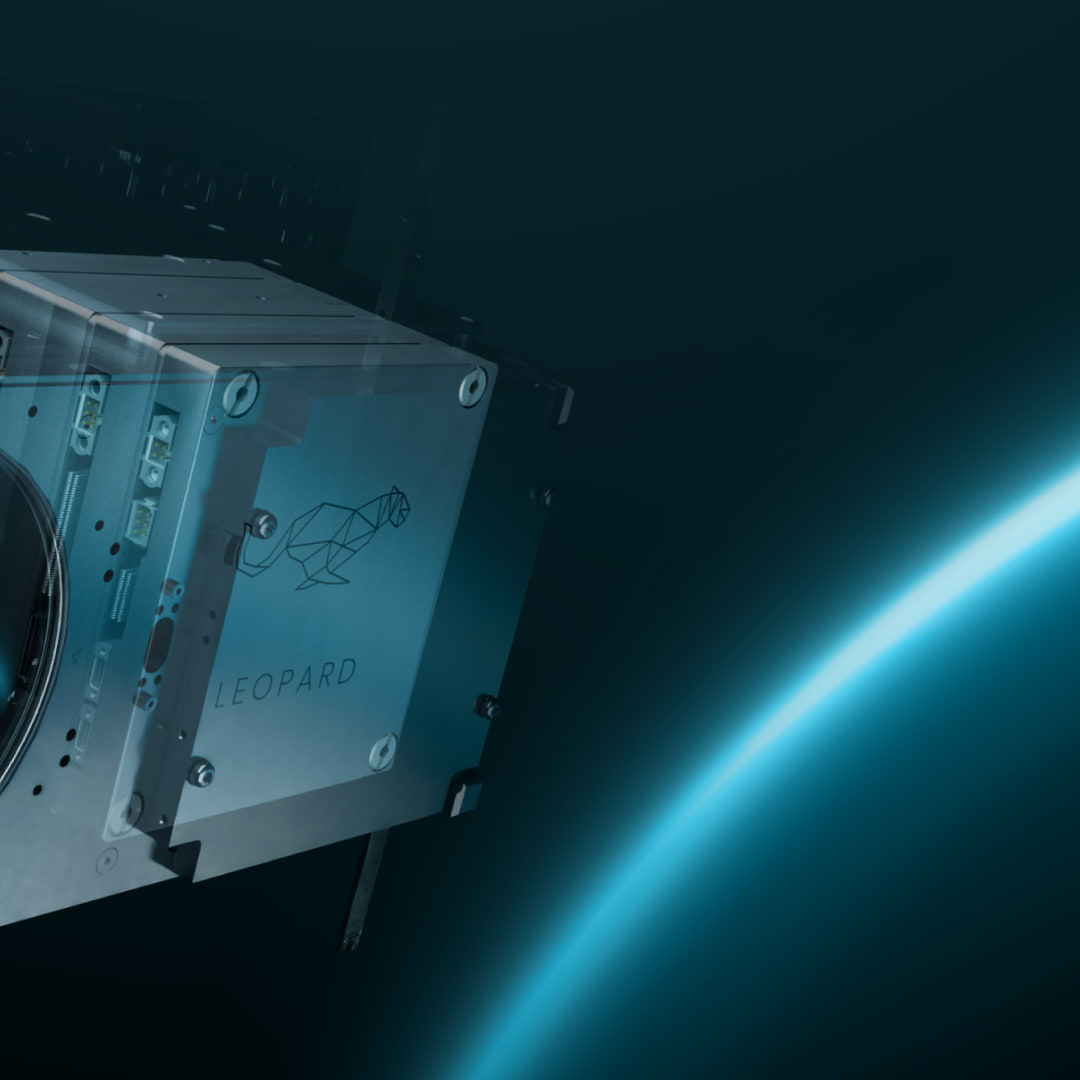
KP Labs, based in Gliwice, develops hardware, software and algorithms for nanosatellites and small satellites. We created the company’s website and a key visual that shows its hardware in space, where it operates. We carried the key visual’s style across the entire website.
Challenge
Product pages had to work for two audiences at once: engineers had to find a device’s technical specs right away, and decision-makers its benefits and applications.
Full case study
KP Labs key visual: a render of the Leopard module in space, next to the glowing turquoise edge of the Earth
FAQ

Common questions about aerospace marketing

What is aerospace marketing?
Aerospace marketing is B2B communication by manufacturers, suppliers, MRO companies, NewSpace companies and engineering design firms. Its job is to show your capabilities, certifications and team to a small group of buyers, partners and job candidates. It covers brand strategy, visual identity, a website for international buyers, LinkedIn, trade show campaigns and employer branding. It rarely brings in an order on its own: it makes sure that when suppliers are being qualified, your company is already known and well described.
How do you promote an aerospace company when projects are under NDA?
Talk about what’s public: capabilities, processes, machinery, certifications and people, without customer names, part numbers or program details. Before you publish anything, agree on a list of off-limits topics and an approval process with your compliance team. For dual-use products and defense programs, the contract and export control regulations also define what you can disclose. Well-described capabilities convince buyers more effectively than logos you can’t show anyway.
How can a Polish company enter the aerospace supply chain?
Qualifications come first: a quality management system compliant with AS9100, often NADCAP accreditation for special processes, plus documented experience and references. Marketing won’t replace a certificate, but it helps you show it: a clear website with a capability list, materials for procurement teams, and a presence at trade shows and in clusters such as Aviation Valley. This raises the chance that a manufacturer already knows your company before it starts looking for new suppliers.
How do you prepare for an aerospace trade show?
Start a few months ahead. Pick the companies you want to talk to and book meetings before the event, by email and on LinkedIn. Prepare consistent materials: booth graphics, a capability deck, a landing page and content to post during the show. When you’re back, enter the contacts into your CRM right away and plan the follow-up, because that’s what decides how many conversations turn into RFQs.
How do you attract engineers to an aerospace company?
Design and manufacturing engineers choose a company whose projects and team they already know. Show your projects as far as the NDA allows, along with your technologies, career paths and the people who already work for you. What works: LinkedIn for the company and its experts, a careers section on your website, and a presence at universities and industry events. Employer branding supports recruitment and also strengthens your image with buyers, for whom the quality of your team is a factor in choosing a supplier.
How much does aerospace marketing cost?

The cost depends on the scope and your event calendar. Brand strategy, visual identity, the website and a capability deck are one-off projects, while LinkedIn communication and employer branding are an ongoing monthly service. You plan the booth and trade show participation in a separate budget, and you pay for ads directly to LinkedIn, Google or Meta. We build the quote around the events you want to attend and your sales goals.
How quickly does aerospace marketing show results?

It depends on the goal. A pre-show campaign can bring booked meetings within a few weeks, and a new website and materials make sales conversations easier right away. Recognition among buyers and candidates takes months to build, and the first order after qualification can take a year or more. That’s why we set intermediate metrics, such as meetings, inquiries, material downloads and job applications, and show you every month what each channel delivered.

See also

Other industries we run marketing for:

Wybierz swoją ulubioną formę kontaktu

Podaj nam swojego maila/nr telefonu a my się odezwiemy
lub umów się na spotkanie bezpośrednio
Done. The ball’s in our court. We’ll get back to you soon.
Something went wrong. Please try again.