Beauty marketing is how cosmetics brands, salons, aesthetic medicine clinics and spas communicate in a way that grabs attention in the feed and turns creator and customer recommendations into sales and bookings. We run it for manufacturers and D2C brands, hairdressers and barbers, cosmetology practices, wellness studios and platforms for beauty businesses: from visual identity and your online store, through Instagram, TikTok and influencer marketing, to video and ad creative.
In beauty, customers buy with their eyes and trust what others say, so a brand needs a steady stream of photos, videos and recommendations. We’re a creative agency based in Wrocław and Warsaw. We react fast to what’s happening in the feed, but we always keep the brand’s tone intact. Trends change every week. A brand’s character shouldn’t.
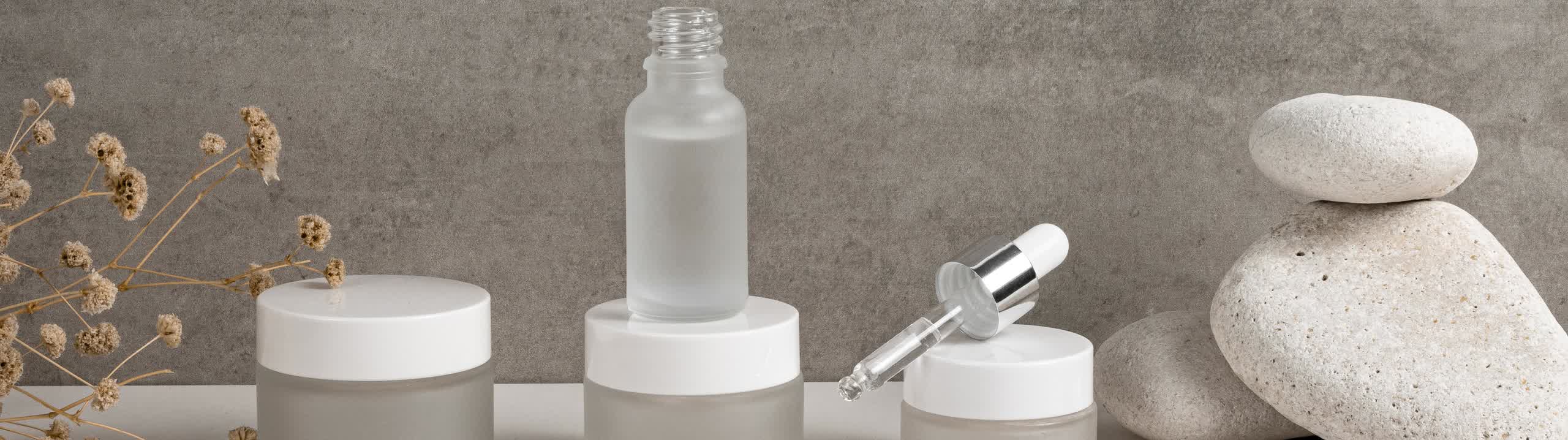
Matowe słoiczki i buteleczka z pipetą obok kamieni na tle betonowej ściany
MARKET & CHALLENGES

What you’re up against in beauty

A cosmetics brand competes with global giants, drugstore private labels and new D2C brands that launch with nothing but Instagram. A salon or clinic is up against the one down the street, and customers compare them in a booking app by photos, ratings and open slots. Before choosing a cream or a treatment, they look at the results creators show and read the ingredient list and reviews. The first purchase can be an impulse. Loyalty takes months to build.

Similar products

Serums, creams and shampoos have similar ingredients and promises. Without a distinctive brand, customers compare only price and promotions, on the shelf or in a drugstore app.

Sales only at a discount

Drugstores and marketplaces teach customers to wait for a discount. A brand that sells mainly on promotion gives away its margin and struggles to hold its price.

Schedule gaps

A salon makes money when its schedule is full. Canceled appointments and clients who came once and never returned leave gaps that ads alone can’t fill.

No owned audience

Customers find a salon through a booking app and a brand on a marketplace. Without your own website, store and contact list, it’s hard to get back to them with an offer.

Clients choose the specialist

Clients come back for a specific stylist, barber or cosmetologist. When that person leaves, they take part of the schedule with them, unless the salon has built its own brand.

AI chat recommendations

Customers ask ChatGPT which cream to choose or where to get a treatment. The chatbot recommends brands that have reliable descriptions and reviews it can find online.
WHAT’S DIFFERENT

How beauty marketing differs

Five ways it differs from marketing in other industries:
01
Visuals sell.
The product and the result have to catch attention in the first seconds of a vertical video, before the viewer scrolls past.
02
Creators as a channel.
Customers trust creators and other customers more than ads. Influencers and UGC are the core of the plan, not an add-on.
03
Evidence-backed claims.
Every claim needs evidence (Regulation (EU) No 655/2013), and a cosmetic can’t be presented as a medicine.
04
Aesthetic medicine is a separate case.
A clinic or medical practice may only provide information about treatments. Prescription drugs can’t be advertised to the public.
05
Trends move fast.
A TikTok trend lasts weeks, not quarters. Content production has to keep up.
That’s why one team handles creative, social media and claim checks together.
COMPLIANCE

How we work in beauty communication

We do
use claims backed by studies and product documentation
show products in use and the salon’s results with the client’s consent
work with creators on clearly labeled ads
publish customer reviews and explain how we check they’re genuine
share the range of treatments, doctors’ qualifications and prices
We avoid
suggesting a cosmetic treats a condition (“clears acne,” “cures hair loss”)
promises without studies (“results in 7 days,” “100% effective”)
retouched “before and after” photos, and in clinics, any without legal review
public advertising of prescription drugs, such as botulinum toxin
unlabeled collaborations and reviews that can’t be verified
This list follows Article 20 of Regulation (EC) No 1223/2009 and Regulation (EU) No 655/2013, Article 57 of the Polish Pharmaceutical Law, Article 14 of Poland’s Act on Medical Activity (ustawa o działalności leczniczej) and the Polish Act on Counteracting Unfair Market Practices. This is not legal advice.
SERVICES

What we do for beauty

360° campaigns

One idea across video, social media, digital and outdoor, with a media plan where the channels reinforce each other.
Explore 360° marketing

Influencer marketing

We choose creators based on data, negotiate contracts and content rights, write briefs and report on results.
Explore influencer marketing

Identity and key visual

A logo, colors, typography and a key visual that let customers recognize your brand or salon in the feed before they read the name.
Explore visual identity

Store and salon website

A WooCommerce store with payments and shipping, or a salon or clinic website with a price list and a quick path to booking.
Explore WordPress

Ad variants and video with AI

Short product videos and ad variants for testing in Meta and TikTok Ads, made with AI. A human checks that the product looks right.
Explore AI in marketing
SAMPLE PROJECT

Beauty marketing in practice

Case study · Cosmetics

Bandi

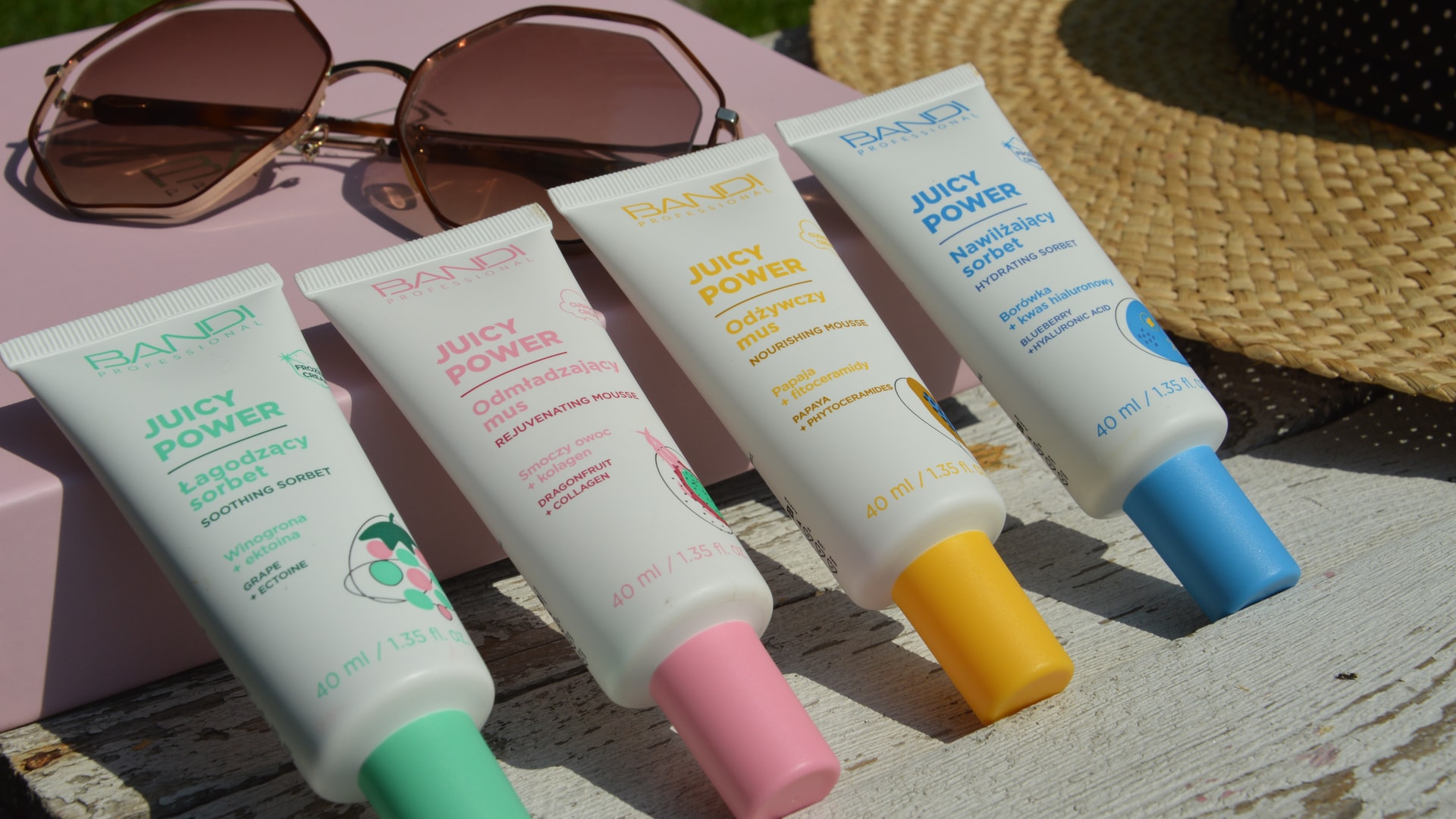
A fruity cream line in a TikTok CGI campaign
An expert cosmetics brand was launching its fruity Juicy Power line and wanted to reach younger customers. Around the “Fruit has power” tagline, we combined CGI ads, influencer collaborations and TikTok Ads, and we ran the brand’s TikTok account. Four months of the campaign in numbers:
215,200
CGI ad views
199,800
views of a single creator collaboration
4
tracks: CGI, creators, TikTok and performance
Challenge
Full case study
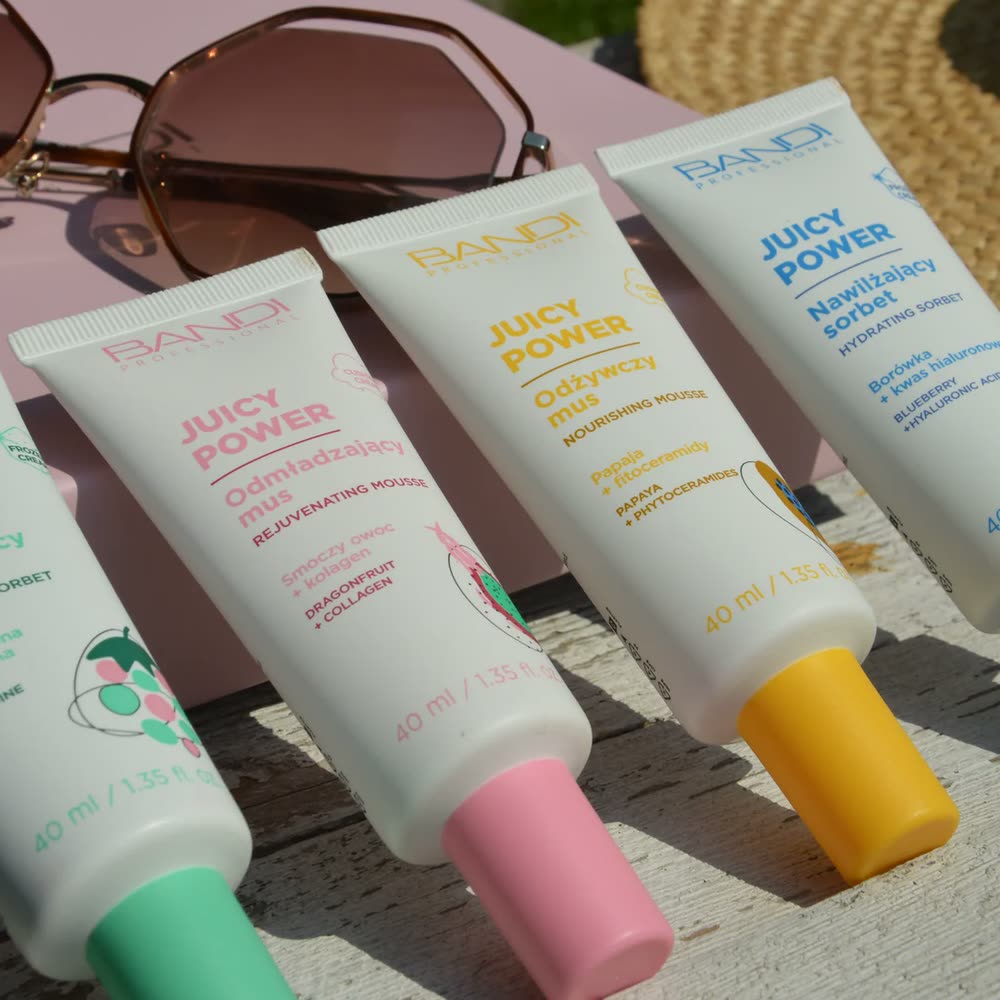
Bandi Juicy Power creams in tubes with colorful caps leaning against a pink box, with sunglasses in the background
FAQ

Common questions about beauty marketing

How do you promote a cosmetics brand on social media?
Start with a recognizable visual style and regular short videos that show the product in use: how it’s applied, its texture and the result. Instagram builds your image, TikTok builds reach, and creator partnerships add the credibility that brand ads lack. For sales and niche audiences, micro-influencers often work better than big accounts. Meta Ads and TikTok Ads campaigns scale sales if you test many creatives at once and build on the ones that sell.
How do you attract clients to a beauty salon?
Clients choose a salon based on photos of results, ratings and whether they can book without calling. So make sure you have an Instagram profile that shows real results of your work, a complete Google Business Profile with recent reviews, and online booking. Then local campaigns in Meta Ads and Google Ads have somewhere to send new clients. You keep regulars with appointment reminders, a referral program and content that shows your team. A full schedule is built on clients who come back, not just new ones.
How much does beauty marketing cost?
The cost depends on the number of channels, the scale of photo and video production, the number of creator partnerships and the ad budget. We price projects such as visual identity, an online store or strategy separately from ongoing channel management. Creator fees and the media budget are a separate line item, outside the agency fee. We prepare a quote after we talk about how far along your brand or salon is and what your sales goals are.
Can an aesthetic medicine clinic advertise in Poland?
A clinic or doctor’s office, that is, a healthcare provider or a medical practice, may inform the public about the scope and types of its services, but the content and form of that information must not have the characteristics of advertising (Article 14 of Poland’s Act on Medical Activity). Prescription-only medicines, such as botulinum toxin, can’t be advertised to the public either, and neither can medical devices intended for professionals, such as fillers. So a clinic’s website can include treatment descriptions, doctors’ qualifications and prices, but no promises of results, treatment promotions or comparisons with competitors.
What claims can you use in cosmetics advertising?
Every claim about a cosmetic product must meet the six common criteria set out in Commission Regulation (EU) No 655/2013: legal compliance, truthfulness, evidential support, honesty, fairness and informed decision-making. A cosmetic also can’t be presented as a product that treats a condition, for example, “treats acne.” A claim like “reduces wrinkles in 4 weeks” needs studies to back it up. That’s why we check every claim in our creatives against the product documentation before publishing.
How do you label an influencer collaboration?
Content for which a creator gets paid, receives a product or any other benefit must be clearly labeled as advertising, so viewers can tell right away. The President of UOKiK (Poland’s competition and consumer protection authority) recommends that influencers use two-level labeling: the platform’s paid partnership tool plus the word “reklama” (Polish for “ad”) or #reklama with the brand name at the start of the caption. On their own, #ad or #współpraca (“collaboration”) aren’t enough. In the contract with the creator, we agree on scope, rates, deadlines and content rights.

See also

Other industries we run marketing for:

Wybierz swoją ulubioną formę kontaktu

Podaj nam swojego maila/nr telefonu a my się odezwiemy
lub umów się na spotkanie bezpośrednio
Done. The ball’s in our court. We’ll get back to you soon.
Something went wrong. Please try again.