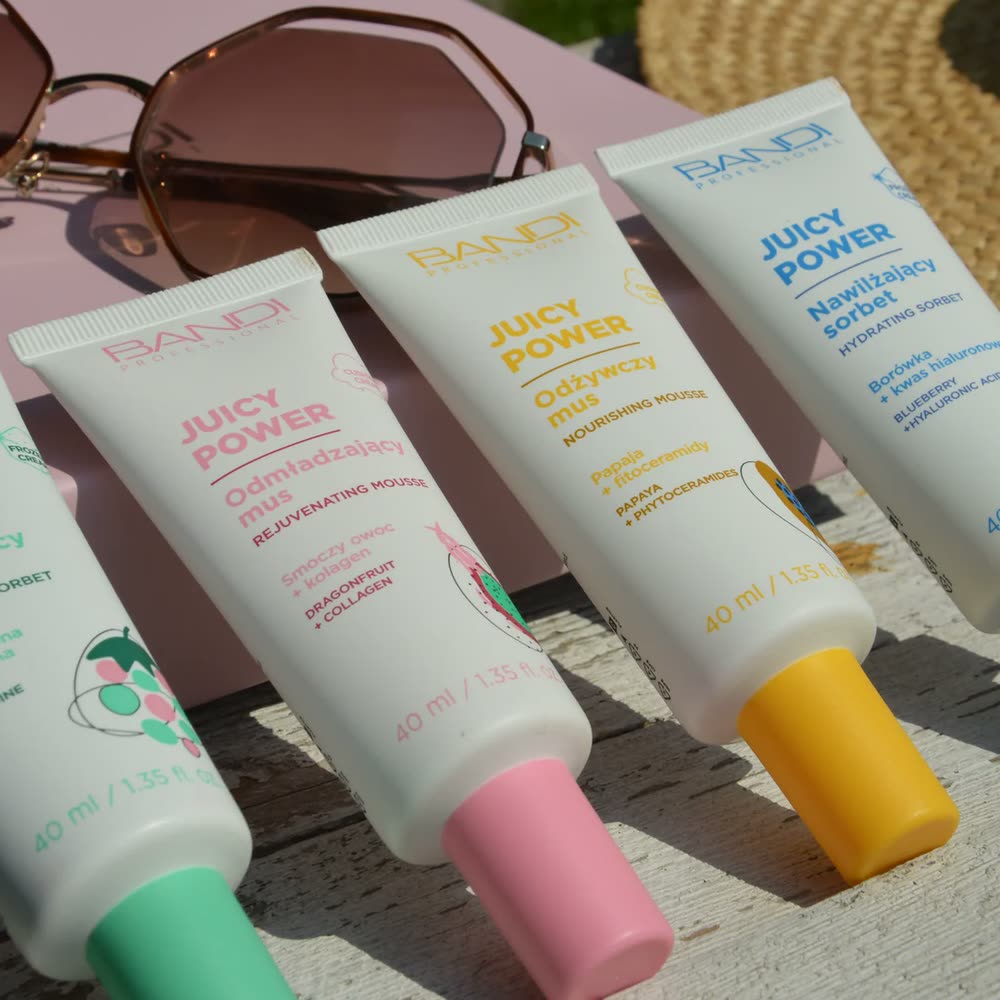
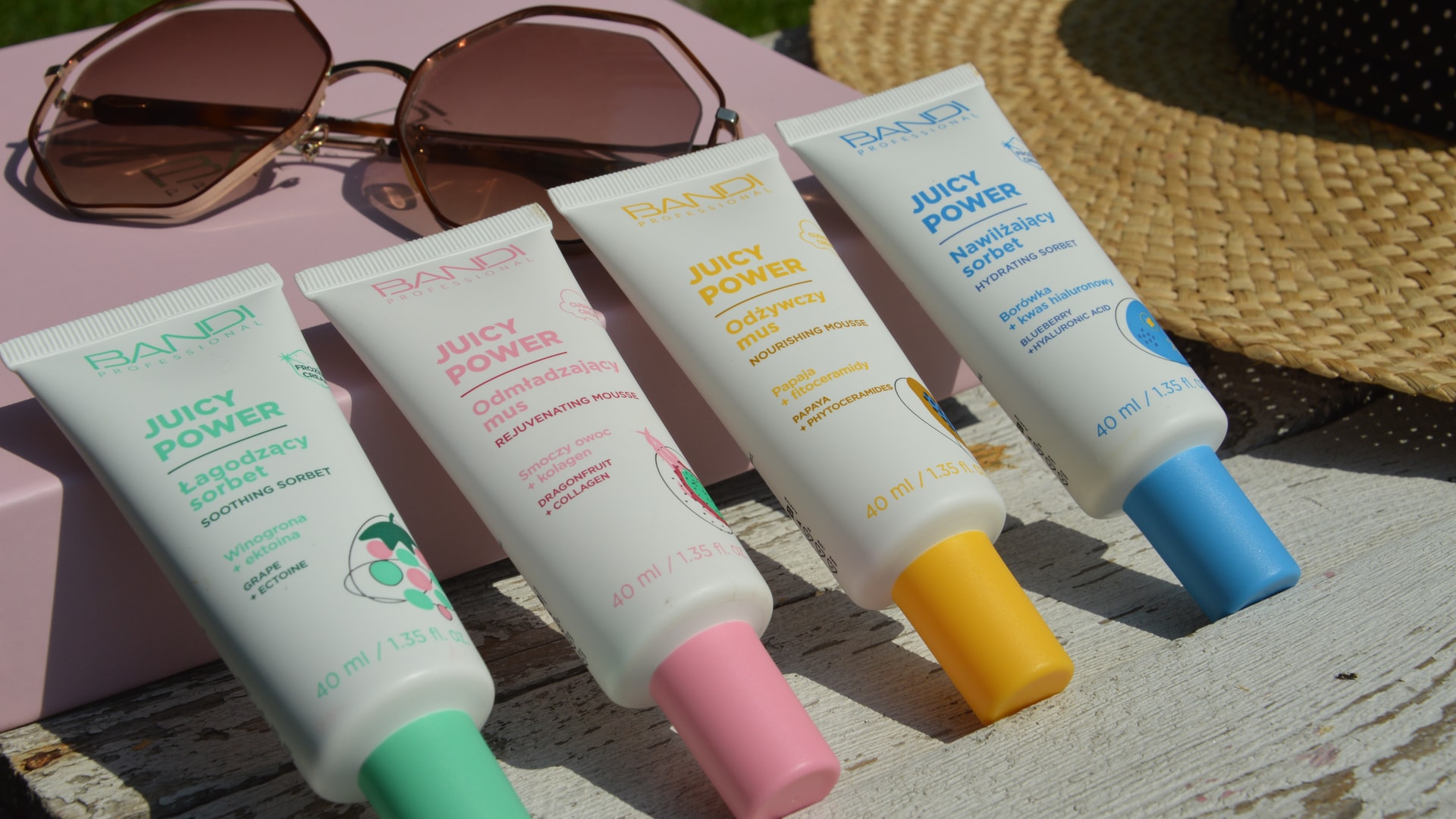
At 25wat, we believe in marketing you can feel, not just see. Have you noticed that over the last year or two, beauty brands’ Instagram feeds have started to look more like the menu at a trendy café than a store shelf? Lip glosses next to dripping honey, creams with the fluffy texture of whipped cream and that ubiquitous obsession with “glazed skin.” That’s no accident. It’s sensory marketing at its most delicious.
We say it often: people don’t buy products, they buy the feeling they want those products to give them. And nothing stirs emotions as instantly as food, scent and touch. Let’s break this phenomenon down, because what top brands are doing today is a pure masterclass in psychology.
Why do we want to “eat” our cosmetics? 🍩
When a phrase like “glazed donut skin” hits the market, there’s more going on than just a viral trend. It anchors the brand in the world of food, something every one of us knows and loves. Why does it have such a strong effect on us?
- Dopamine on demand: Visual cues that suggest flavor (e.g., a juicy strawberry or glossy caramel) activate the brain’s reward system. You see a lip gloss next to a fresh donut, and your brain reacts as if you were about to eat something sweet. Brands like rhode use this flawlessly, turning the product into an instinctive object of desire.
- Mental accounting: This is my favorite mechanism. If you spend PLN 10–20 on a latte every day, buying a lip balm with a similar look and price feels like a “small treat,” not a serious purchase decision. The barrier disappears, because we see it as a daily self-care ritual, not another unnecessary expense.
- Nostalgia and comfort: The scents of vanilla, cocoa or honey (as with Gisou’s honey products) evoke a sense of safety. These are so-called “glimmers”: small moments of joy we subconsciously look for in an increasingly chaotic world.
➡️ Takeaway for brands: Stop writing only about “hydration.” Start talking about a “buttery texture” or a “glazed glow.” It shifts perception from boring chemistry to a sensory experience customers can almost feel under their fingertips.
The moodboard as a strategic compass (not just a set of pictures) 🖼️
One thing we know for sure: without a good moodboard, there’s no consistent brand. It’s your visual DNA. Since we can’t touch a product online, we have to “feel” it psychologically through what’s known as cross-sensory storytelling: we use images to convey touch and words to convey taste.
Brands like Summer Fridays have perfected this. Their marketing is basically one big moving moodboard that creates the vibe of an endless vacation and a wellness club, even if you’re applying their mask in the middle of winter in Zielona Góra. A well-built visual world helps you:
- Reduce the chaos. Minimalism and a “clean” look (aka the clean girl aesthetic) are a psychological response to overstimulation. Simple design sends a signal: “Here you’ll find calm. Here you’ll find quality.”
- Build heritage. The golden color palettes and nature motifs used by Gisou are a “visual promise” of effectiveness and authenticity that replaces traditional, pushy advertising.
My personal take?
Sensory marketing isn’t another passing fad. It’s a return to what makes us most human: our senses. In a world dominated by screens, the brands that win are the ones that can “break through” the glass and make us almost smell the product or feel its texture.
What about you? Do you have products in your makeup bag that you bought just because their vibe on Insta was simply too good to ignore?


 Strony WordPress i WooCommerce